
Did you know that you can use the simple act of breathing to help soothe your gut?
I kid you not!
It’s no surprise to anyone who knows me that I believe wholeheartedly that the key to our overall health begins with our gut. It’s the reason I’m always sharing ways in which we can support gut health. Diet and exercise are crucial for improving and maintaining gut health, but there’s another powerful tool that I want to bring to the front of the line: breathing exercises. Breathing techniques can significantly impact your health by stimulating the parasympathetic nervous system, reducing stress, and enhancing relaxation. In this post, I’m going to talk about three effective breathing exercises that can quickly (we all want something quick, right?!) help soothe your gut and improve digestive function and gut health.
The Gut-Brain Connection
Before diving into the exercises, I want to be sure you understand the gut-brain connection. The gut is often referred to as the “second brain” due to its ability to communicate with the brain through the vagus nerve. This connection means that stress and anxiety can directly impact gut health, leading to symptoms like bloating, pain, and irregular bowel movements. Those symptoms can eventually cause other annoying and sometime serious symptoms throughout the body.
Breathing exercises activate the parasympathetic nervous system which helps to manage our reactions to stress. This promotes a state of rest and relaxation. By incorporating these exercises into your daily routine, you can create a more harmonious environment for your gut to function optimally.
1. Diaphragmatic Breathing (Deep Belly Breathing)
How to Do It:
- Sit or lie down in a comfortable position.
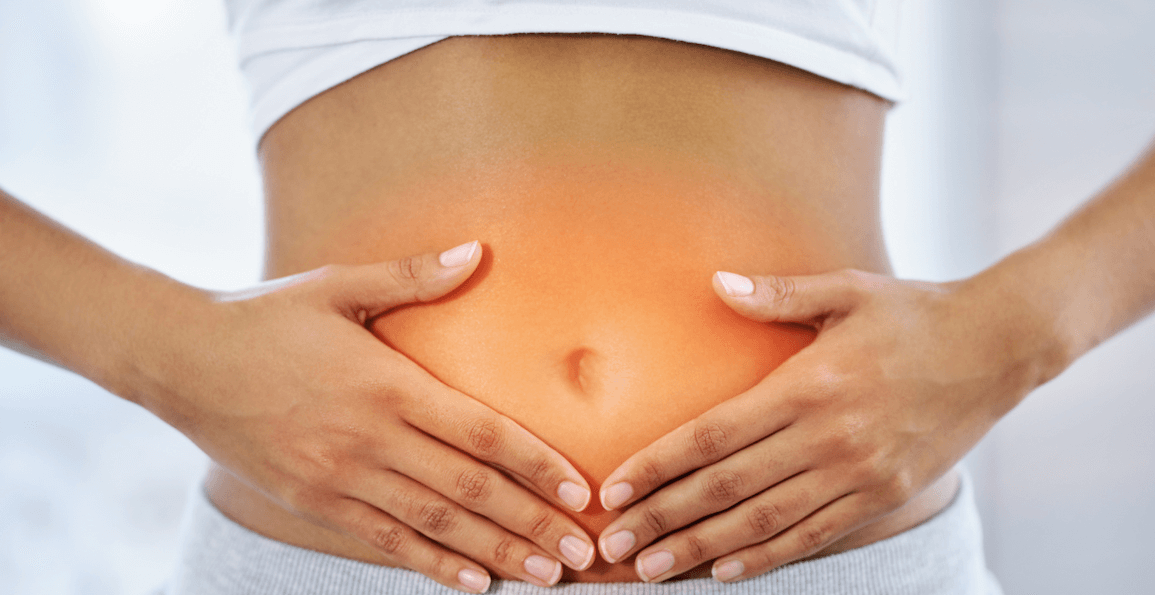
- Place one hand on your chest and the other on your abdomen.
- Inhale deeply through your nose, allowing your abdomen to rise as your lungs fill with air. Your chest should remain relatively still.
- Exhale slowly through your mouth, letting your abdomen fall.
- Repeat for 4-5 minutes (eventually working your way up to 10 minutes), focusing on the rise and fall of your abdomen.
Benefits:
Diaphragmatic breathing, what I often refer to as deep belly breathing, is a super easy yet powerful technique that activates the parasympathetic nervous system. This system is responsible for promoting relaxation and enhancing digestion by stimulating the vagus nerve. By practicing diaphragmatic breathing, you can reduce stress levels, which in turn can alleviate symptoms like bloating and indigestion. This exercise also helps increase oxygen flow to your digestive organs, promoting better overall function.
2. 4-7-8 Breathing
How to Do It:
- Sit or lie down comfortably.
- Inhale quietly through your nose for a count of 4.
- Hold your breath for a count of 7.
- Exhale completely through your mouth, making a whooshing sound, for a count of 8.
- Repeat this cycle for 4 breaths, gradually increasing as you become more comfortable with the technique.
Benefits:
The 4-7-8 breathing exercise is a powerful method for reducing stress and anxiety, which can have a direct impact on inflammation and gut health. By focusing on the counting and rhythm of your breath, this technique helps calm the mind and body, promoting a state of relaxation. This can be particularly beneficial for those who experience digestive discomfort due to stress or anxiety. Regular practice of the 4-7-8 breathing exercise can help improve sleep quality, enhance focus, and support overall well-being, all of which contribute to better digestive health.
3. Alternate Nostril Breathing (Nadi Shodhana)
How to Do It:
- Sit in a comfortable position with your spine straight.
- Use your right thumb to close your right nostril.
- Inhale deeply through your left nostril.
- Close your left nostril with your right ring finger, then open and exhale through your right nostril.
- Inhale through your right nostril, close it, and exhale through your left nostril. This completes one cycle.
- Repeat for 5-10 cycles, focusing on the balance and rhythm of your breath.
Benefits:
Alternate nostril breathing (Nadi Shodhana) is a traditional yoga practice that balances the nervous system and reduces stress. This exercise helps harmonize the left and right hemispheres of the brain, promoting a sense of calm and mental clarity. By reducing stress and anxiety, alternate nostril breathing can alleviate gut issues that are often exacerbated by emotional distress. This technique also enhances lung capacity and oxygenates the blood, supporting overall health and well-being.
Integrating Breathing Exercises into Your Routine
Incorporating these breathing exercises into your daily routine can have a profound impact on your gut health – I can speak to that personally! Here are some tips for getting started:
- Consistency is Key: Aim to practice these exercises daily, even if it’s just for a few minutes. Consistent practice will yield the best results. To get you started, put a reminder in your phone to practice at the same time every day.
- Create a Calm Environment: Find a quiet, comfortable space where you can focus on your breathing without distractions.
- Listen to Your Body: Pay attention to how your body responds to each exercise. If you feel any discomfort or dizziness, stop and resume normal breathing.
- Combine with Other Practices: Consider integrating these breathing exercises with other stress-reducing practices like meditation, yoga, or mindful eating.
It Doesn’t Get Much Easier than Breathing!
Breathing exercises are a simple but effective way to support your gut health. By reducing stress, promoting relaxation, and enhancing the function of your digestive system, these techniques can help alleviate inflammation, common digestive symptoms, and improve overall well-being. When you’re focused on improving your gut health, incorporating diaphragmatic breathing, 4-7-8 breathing, and alternate nostril breathing into your routine can not only provide fast relief of painful and frustrating digestive symptoms, but also support your journey to better gut health.
Start small, be consistent, and listen to your body. With time and practice, you’ll likely notice a significant improvement in both your digestive health and how you feel overall. Remember, your breath is a powerful tool—use it to create a healthier, happier gut.



0 Comments