
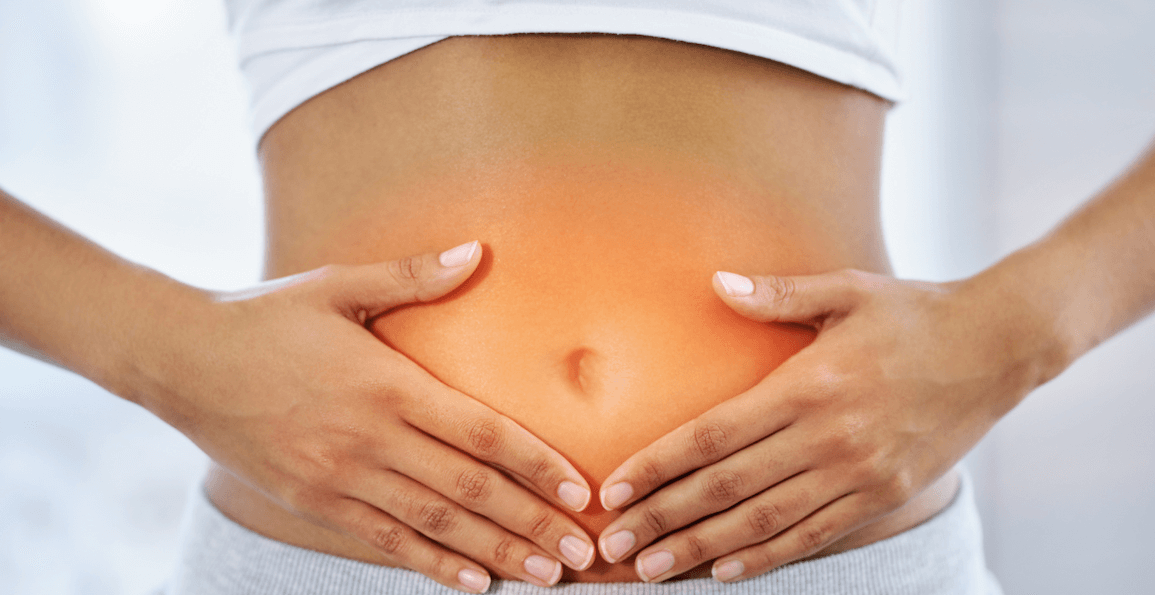
Bloating is one of the most common digestive complaints among women, leaving many feeling uncomfortable, frustrated, and unsure of its root cause. Whether it’s the result of a meal that didn’t agree with you, fluctuating hormones, or underlying gut imbalances, bloating can interfere with daily life – in some cases, quite significantly! In this post, we’ll explore why women suffer from bloating more than men and provide natural, practical solutions to reduce and eliminate it.
Why Women Are More Prone to Bloating
- Hormonal Fluctuations
Women experience cyclical hormonal changes which can significantly impact digestion. Rising estrogen levels and fluctuating progesterone during ovulation and the luteal phase can slow digestion, leading to gas buildup and bloating.During PMS, many women also retain water due to hormonal shifts, further contributing to that uncomfortable feeling of fullness. During perimenopause and menopause, declining estrogen and progesterone levels slow digestion, alter gut motility, and disrupt gut bacteria balance, increasing the likelihood of bloating and constipation. - Slower Digestive Transit
Women generally have slower gut motility than men, meaning food takes longer to move through the digestive tract. This slower transit increases the likelihood of fermentation, gas production, and bloating, especially when consuming foods high in fermentable fibers or sugars. - Gut Sensitivity and Stress
Women are more likely to experience stress-related gut issues due to the gut-brain connection. Stress triggers the release of cortisol, which can disrupt digestion, slow motility, and alter the balance of gut bacteria, all of which contribute to bloating. - Dietary and Lifestyle Factors
Both women and men unknowingly consume foods that exacerbate bloating, such as processed snacks, sugary beverages, and high-sodium meals. Additionally, modern lifestyles that include irregular eating habits, insufficient water intake, and a lack of movement after meals can further compound digestive discomfort.
Common Causes of Bloating
To address bloating effectively, it’s essential to identify its root causes. Here are some of the most common ones:
- Overeating or Eating Too Quickly: Consuming large portions or eating too fast can overwhelm the digestive system, leading to gas and bloating.
- Food Intolerances: Many women are sensitive to common triggers like lactose, gluten, or high-FODMAP foods, which can cause bloating and discomfort.
- Imbalanced Gut Microbiome: An overgrowth of harmful bacteria or yeast (like Candida) in the gut can produce excess gas and cause bloating.
- Constipation: When stool isn’t moving regularly, it can cause gas and bloating due to fermentation in the intestines.
- Carbonated Drinks and Artificial Sweeteners: Both can introduce gas into the digestive system or disrupt gut bacteria, leading to bloating.
Natural Ways to Eliminate Bloating
The good news? There are many natural, holistic strategies to beat bloating and support a healthier digestive system. Here’s how:
1. Focus on Gut-Friendly Foods
Incorporate foods that support digestion and reduce gas:
- Fermented Foods: Yogurt, kefir, sauerkraut, and kimchi contain probiotics that promote a balanced microbiome.
- Low-FODMAP Vegetables: Opt for zucchini, spinach, and carrots instead of high-FODMAP options like onions and cauliflower.
- Herbal Teas: Peppermint, ginger, and fennel teas are natural digestive aids that help soothe the gut and reduce bloating.
2. Identify and Eliminate Food Triggers
Keep a food diary to track meals and symptoms, helping you identify which foods may be causing bloating. Consider working with a holistic nutritionist to pinpoint intolerances or sensitivities, such as gluten or dairy.
3. Chew Your Food Thoroughly
Digestion starts in the mouth. Chewing each bite thoroughly reduces the workload on your stomach and intestines, decreasing the likelihood of gas and bloating. This might seem overly simplistic, but pay attention to this every time you eat and you will be amazed at how much better you’ll feel.
4. Stay Hydrated
Dehydration can slow digestion and lead to constipation, both of which contribute to bloating. Aim to drink at least half your body weight in ounces of water daily and avoid sugary or carbonated beverages. Just don’t drink too much during mealtimes!
5. Support Gut Motility
To encourage healthy movement through the digestive tract:
- Move Your Body Daily: Gentle activities like walking, yoga, or stretching after meals can stimulate digestion.
- Magnesium-Rich Foods: Almonds, spinach, and dark chocolate help relax intestinal muscles and promote regular bowel movements.
6. Reduce Stress Levels
Since stress has a huge impact on gut function, managing it is crucial for reducing bloating and better digestive health overall:
- Practice Deep Breathing: Engage in diaphragmatic breathing before meals to calm the nervous system.
- Meditation or Journaling: These practices help lower cortisol and support digestion.
7. Take a Probiotic Supplement
A high-quality probiotic tailored to your needs can restore balance in the gut microbiome, reducing gas and bloating. Look for one with strains like Lactobacillus acidophilus and Bifidobacterium bifidum, which are known to support digestive health.
8. Give Digestive Enzymes a Try
These can be a game changer for digestion! Digestive enzyme supplements can help break down proteins, fats, and carbohydrates, making it easier for your body to digest meals without bloating.
Final Thoughts
Bloating doesn’t have to be an inevitable part of life. By understanding its root causes and implementing natural strategies, you can reduce or eliminate bloating altogether. Small changes, like improving your diet, slowing down during meals, and managing stress, can go a long way toward supporting a happy, healthy gut.
Remember, every body is unique, so what works for one person may not work for another. If bloating persists, consider reaching out to a holistic nutritionist (like me!) for more personalized support tailored to your body and specific needs.
Want more tips on managing your gut health naturally? Check out my free resources or schedule a free consultation to start your journey toward a healthier, bloat-free you!



0 Comments